Course Design

High-quality course development for traditional, online, and hybrid learning.

Our Course Design Capabilities

We develop courses and programs using learning experience design principles that put the learner, the context, and the delivery environment at the center. Our approach blends instructional rigor with practical implementation so courses work in theory and in real classrooms, LMSs, and learning ecosystems.


Needs Analysis

A clear understanding of learners, goals, and constraints before design begins.

Behind every effective course is a strong foundation. We conduct thoughtful needs analyses to understand learning goals, audience characteristics, delivery environments, and institutional constraints. This discovery phase ensures course design decisions are grounded, strategic, and aligned from the start.

Services include:

  • Analysis of learning goals and success metrics
  • Learner and audience research
  • Delivery environment and platform considerations
  • Stakeholder alignment and early risk identification

Program Development

Strategic program architecture that supports progression, retention, and outcomes.

We design programs as cohesive learning journeys—not isolated courses. Our program-level design work ensures that courses build on one another intentionally, supporting learner momentum, credentialing goals, and long-term success.

Services include:

  • Program-level learning architecture
  • Scaffolded learning pathways
  • Credential and microcredential alignment
  • Cohesion across courses and modalities

Course Templates

Reusable, consistent structures that streamline development and delivery.

Strong templates create consistency for learners and efficiency for instructors and development teams. We design course templates that balance structure with flexibility, supporting instructional quality at scale.

Services include:

  • LMS-ready course templates
  • Instructional and visual consistency standards
  • Faculty- and author-friendly design frameworks
  • Scalable template systems for large programs

Content Mapping

Intentional organization and sequencing for meaningful learning flow.

We map content to ensure alignment between objectives, instruction, and assessment. This process supports clarity, coherence, and instructional integrity, especially in complex or multi-author courses.

Services include:

  • Learner journey and course mapping
  • Objective-to-content alignment
  • Assessment and activity sequencing
  • Cross-course and cross-program mapping

SME Collaboration

Structured collaboration that preserves expertise while supporting instructional quality.

We work closely with subject matter experts to translate deep expertise into effective learning experiences. Our approach balances respect for SME knowledge with instructional best practices and delivery realities.

Services include:

  • SME onboarding and guidance
  • Instructional support and review cycles
  • Content accuracy and depth assurance
  • Alignment between SMEs, designers, and stakeholders

Syllabi & Lesson Plans

Clear instructional plans that guide teaching and learning.

We develop syllabi and lesson plans that support instructors while maintaining alignment with program goals and learner needs. These assets provide structure, clarity, and instructional confidence.

Services include:

  • Course syllabi development
  • Lesson and module planning
  • Learning objective articulation
  • Alignment with institutional requirements


Our Learning Experience Design Philosophy

We’ve been where your faculty are, and we know where the learning needs to go.


We meet you where you are.

Every institution, every faculty member, every course starts somewhere different. Some clients arrive with a clear vision that needs structure. Others bring raw content, and we take it from there.

We listen first, ask the right questions, then chart a path forward based on your unique needs.

We meet with your faculty, subject matter experts, and stakeholders to understand your learners, goals, constraints, and what makes your institution unique. We ask questions to identify priorities, resolve gaps in scope, and align direction before moving forward; and we pay attention to less visible factors, like institutional context and team dynamics, that shape how our work takes form.

We build with you, not for you.

The best possible outcome is that you don’t need us anymore. We mean that. We don’t build dependency. We build capability. And if you need additional support, we’ll still be here.

This includes respecting ownership. Your faculty’s expertise drives the design, their voice stays in the course, and the finished product is theirs.

We help subject matter experts structure what they know into something that fits the teaching modality, and we make sure they understand the design choices well enough to maintain and evolve their course after the project ends.

The frameworks we introduce, the design decisions we walk through, and the review cycles we structure are all designed for you. Our clients use our builds as benchmarks. They often tell us the experience shifted how their faculty think about course design.

We design for the learner.

We start by understanding where learners are coming from, what they need, and what’s standing between them and achieving the outcomes. From there, we build assessments that measure what matters and make intentional choices about modality, pacing, scaffolding, and engagement.

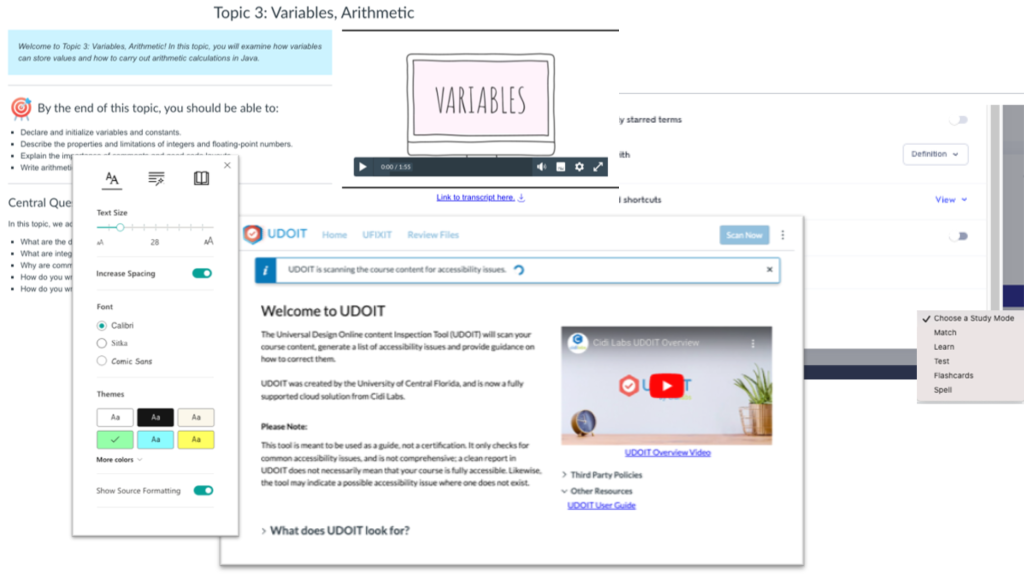
Accessibility is baked into our process: clear organization, readable design, captioned media, and attention to cognitive load—because a learning experience that doesn’t work for all learners doesn’t work.

We also know when to leave something out. If an interactive element or visual doesn’t serve learning, we won’t recommend it. We’d rather cut a bell or whistle than compromise what students actually need to be successful.

Our Team

The Six Red Marbles LXD Team brings together perspectives from academia, marketing, graphic design, corporate training, and nonprofit work. That range helps us see problems from multiple angles and design solutions that are thoughtful, practical, and grounded in real learning needs.


Featured LXDs

 

Kristin Pinyan

Senior Learning Experience Designer

Jackielee Derks

Senior Learning Experience Designer

Danielle Levsky

Learning Experience Designer

The Extra Credit Model: Listen → Design → Apply


Most learning design engagements deliver a product. Ours delivers a product and a stronger design practice. We call this the Extra Credit Model—not because it’s optional but because it ensures your investment keeps paying off long after launch.

 
1

Listen

Before we build anything, we learn about you. We meet with your faculty, subject matter experts, and stakeholders to understand your learners, goals, and constraints and what makes your institution unique. We ask questions to identify priorities, resolve gaps in scope, and align direction before moving forward. We also pay attention to less visible factors—like institutional context and team dynamics—that influence how our work takes shape.

2

Design

Working alongside your team, we translate goals into effective learning experiences. This is a collaborative process—we don’t just hand over deliverables. Throughout the process, we make sure you can see the how and why behind the design so your team understands how the course is taking shape and how to build on it over time.

3

Apply

The course launches, but our work doesn’t stop. We gather actionable feedback based on defined quality metrics. We review learner and instructor data, identify what’s landing and what isn’t, and refine accordingly. But “Apply” isn’t just about the course. It’s about what your team walks away with: the design know-how, the frameworks, and the internal standards that outlast our engagement. That’s the extra credit.

Ready to Transform Your Educational Content?

The best way to get to know Six Red Marbles is to work with us. Let’s talk about how we can support your goals and create learning experiences that make a lasting impact.